1. Why a Home Charger Makes Sense
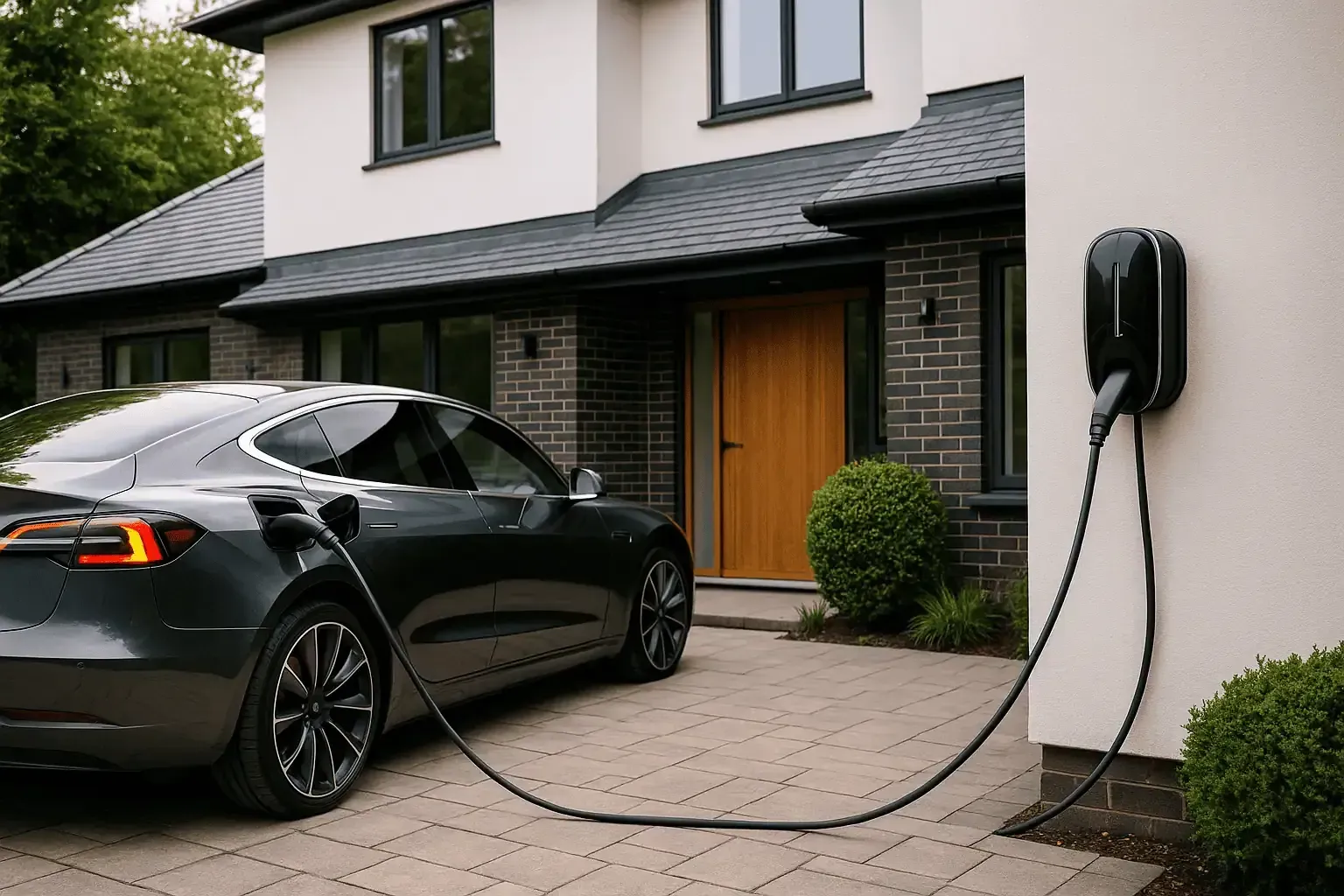
Public charging points remain inconsistent — in availability, pricing, and reliability. A home charger removes that uncertainty entirely. Instead of planning journeys around charging stops, you simply plug in overnight and wake up to a fully charged vehicle, often at a lower cost than public charging.
For most EV owners, home charging quickly becomes the primary way they power their vehicle, with public charging reserved only for longer trips.
2. Charging Speed: What to Expect
A standard 3-pin plug can technically charge an EV, but it's slow — often taking well over 24 hours for a full charge. A dedicated home charger, by comparison, significantly cuts this time down, making it realistic to fully charge overnight regardless of your daily mileage.
The exact speed depends on the charger's power rating and your vehicle's onboard charging capability, which a qualified installer can advise on based on your specific car.
3. What Installation Actually Involves
Installing a home charger isn't a simple plug-and-go job. A qualified installer will assess your property's electrical supply to confirm it can safely support the additional load, identify the best charger location (typically near your driveway or garage), and determine whether any upgrades to your consumer unit are needed.
This assessment step matters — it ensures the system is both safe and optimised for your home's specific setup, rather than a generic one-size-fits-all install.
4. Pairing an EV Charger With Solar Panels
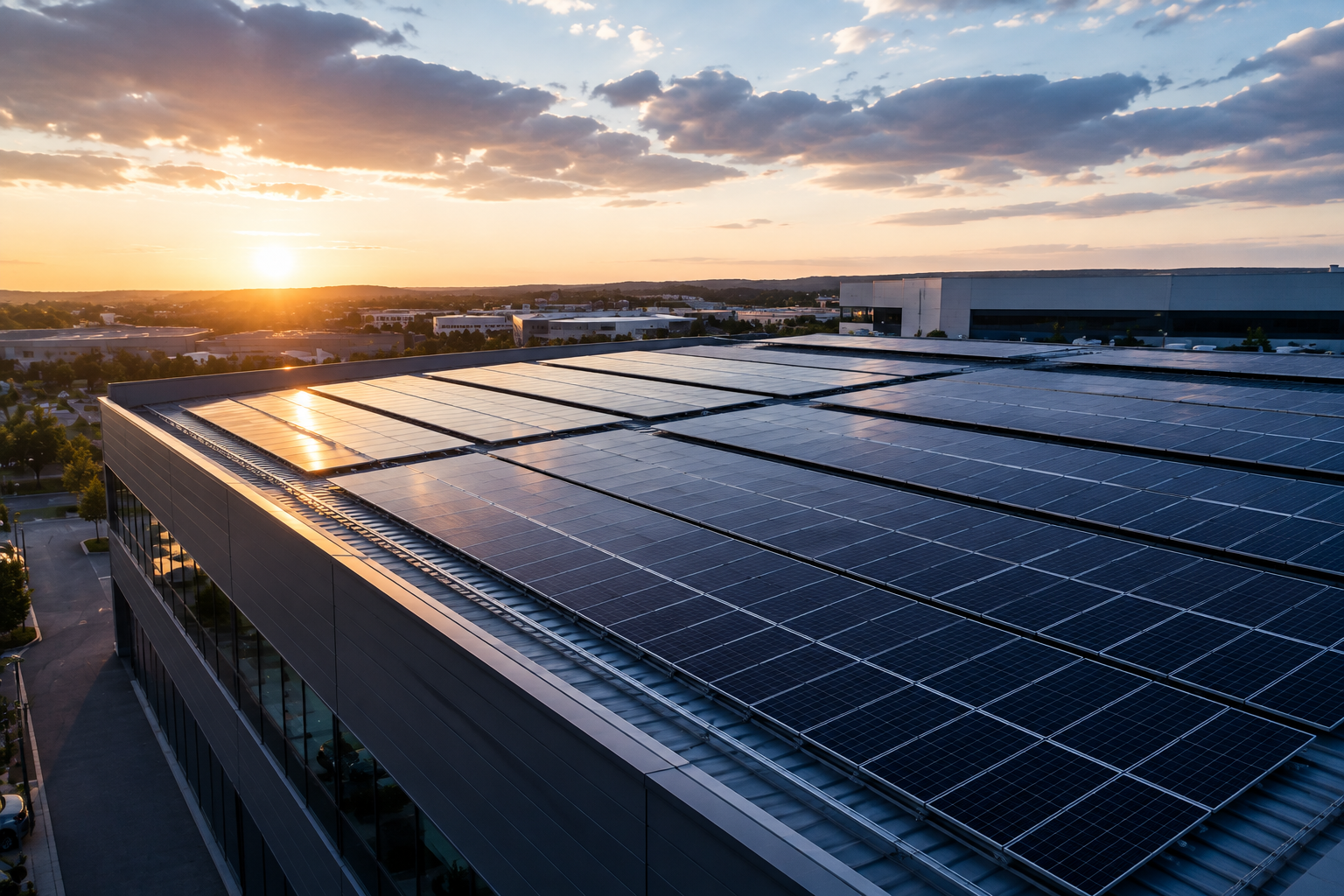
One of the most effective ways to reduce running costs even further is pairing a home EV charger with solar panels. This allows you to charge your vehicle using electricity generated on your own roof — cutting both your fuel costs and your carbon footprint simultaneously.
For households already considering solar, adding EV charging capability at the same time is often more cost-effective than installing each separately later.
5. Not Just for Homeowners
EV charging isn't limited to residential driveways. Businesses, fleet operators, and public-facing venues increasingly need on-site charging solutions — whether to support company vehicles, offer a customer amenity, or future-proof a commercial property as EV adoption continues to grow.
Is Your Home Ready for an EV Charger?
Every property's electrical setup is different, which is why a proper site assessment is the best first step. It confirms exactly what's needed for your home — no guesswork, no oversized (or underpowered) systems.
Ready to Make the Switch to Home Charging?
Get a clear picture of what installation involves for your property, along with your options for pairing it with solar.
Request your free EV charger quote today.